April 9, 2026


Protecting the Chama Watershed
By Tirzio Lopez
When I was a kid I used to spend time with my dad and my abuelo in Plaza Blanca, N.M., a change of pace from the dryland farming that occurred in my hometown of Cebolla, N.M. My dad would take me down to the acquaintance at dawn.
We’d stand barefoot in the cold water while he checked headgate, listening to the river talk — small, steady sounds that meant the fields would drink that season and the tortillas would be made. Those mornings taught me something simple and sacred: the Chama isn’t just water. It’s memory, livelihood and identity.
And the Carson National Forest that rises above our villages is part of that same story. Its canyons, springs and high meadows feed the watershed that feeds us. The forest is not a backdrop; it is a living extension of the Chama Basin, shaping the water that reaches our acequias and wells.
So when I learned that a company is seeking permission to explore for uranium in the Carson National Forest, my reaction wasn’t technical — it was personal. I thought of the woman down the road who depends on a shallow well. I thought of the acequia that has carried water to our fields for generations. I thought of the pueblos whose cultural ties to these mountains go back centuries. Uranium is not a small risk. Once it enters an aquifer or a stream, it can linger for decades. You cannot fence off contamination.
I serve on the Upper Chama Soil and Water Conservation District because I want to make sure these human stories are part of the record when decisions are made. We may not control what happens on federal land, but we absolutely have a responsibility to speak for the people who live with the consequences. That means insisting on a full Environmental Impact Statement, demanding baseline water testing before any disturbance, and ensuring meaningful government to government consultation with tribal nations.
This is not fear — it is foresight. Before the first road is cut or the first drill pad is cleared, we need answers to basic questions: Where will runoff go when the monsoon rains hit? How will spills be contained? Who pays if a spring is contaminated? Who monitors the water ten, twenty, fifty years from now? These are not bureaucratic details. They are the difference between a community that thrives and one that inherits a legacy of harm.
And we must be honest about what “exploration” means on the ground. It can involve roads, staging areas, heavy equipment, and increased traffic through places where wildlife, livestock, and people move every day. For acequia farmers, even small changes in sediment or erosion can mean a lost season. For families on shallow wells, a single contamination event can change daily life forever.
That is why I am going to work closely with our local entities — Rio Arriba County, land grants, tribal leaders, acequia associations, and my own Upper Chama SWCD — to ensure that both the Chama watershed and the Carson National Forest are protected. No single agency can safeguard this landscape alone. It will take all of us, united, informed, and persistent.
But this is not just a call for coordination. It is an invitation. We want our neighbors to tell their stories. We want acequia parciantes to speak about the seasons they remember, ranchers to describe where their cattle drink, elders to point out places in the forest and along the river that hold memory and meaning. These lived experiences matter. They shape the administrative record. They influence agency decisions. They carry weight.
If you live here, please join us. Come to the public meetings. Use the comment templates we will share. Tell the Forest Service what the Chama and the Carson mean to you. If you have a well, a spring, or an acequia, tell them where it is and how you depend on it. If you have a story about the land, share it. Agencies respond to records, and records are built from voices.
I am not against jobs or responsible development. I am for a future where our children can drink from the same springs we did, where our fields still turn green in the spring, and where cultural places — both in the Chama Valley and in the Carson National Forest — are honored. Asking for careful study, for a precautionary approach, and for tribal consultation is not obstruction — it is stewardship.
When I stand by the acequia now dry with drought, I still hear the river. When I walk the forest trails, I feel the same quiet strength. These places speak of seasons and of people who have tended this land through drought and flood. We owe it to those voices to make sure decisions about the Chama and the Carson are made with care, with science, and with respect for the people who call this watershed home.
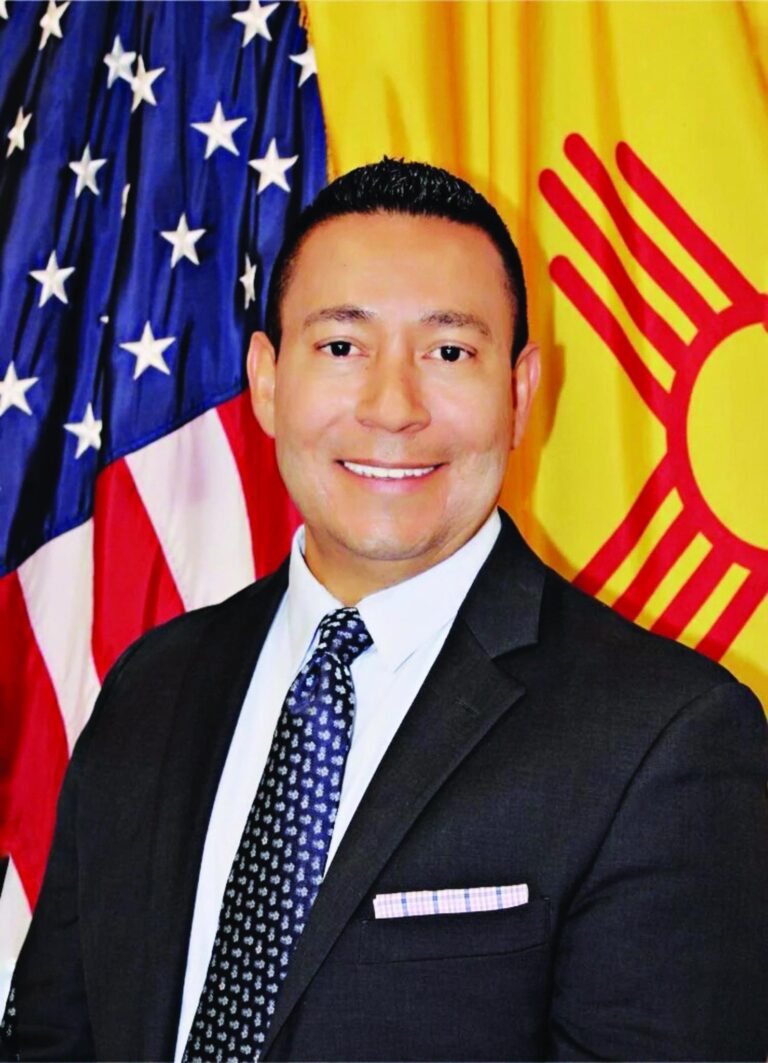
Tirzio Lopez is the supervisor of the Upper Chama Soil and Water Conservation District.