April 30, 2026


News
Albuquerque Man Charged After Meeting Up With 14-Year-Old Chimayó Girl
New Mexico State Police officers charged an Albuquerque man with multiple counts of child rape after he allegedly admitted to meeting up with a 14-year-old girl in Chimayó.
Grants Expand Public Wi-Fi Across NM
SANTA FE — Six grants to implement or expand public Wi-Fi service across New Mexico were awarded to two cities, two counties, a university and an internet service provider, according to a Feb. 11 press release from the New Mexico Office of Broadband Access and Expansion (OBAE).
Animal Control Looks for Support with Senate Bill 227
SILVER CITY — A bill in the state Legislature that would create a registry of people convicted of animal cruelty originated with animal control officers in Grant County.
Forest Service Shares Plan for Ore-Mapping
SILVER CITY — In an unusual agenda shuffle-up, Grant County Commission Chair Chris Ponce delayed Feb. 12’s regular meeting public comment session until after presentations, so that potential commenters would first hear information from the U.S. Forest Service about draft plans for Pinos Altos Exploration to operate on the 634 mineral claims they have staked in the Gila National Forest, as well as a presentation on the topic by representatives of Our Lady of Guadalupe Monastery, who have seven of those claims on their property.
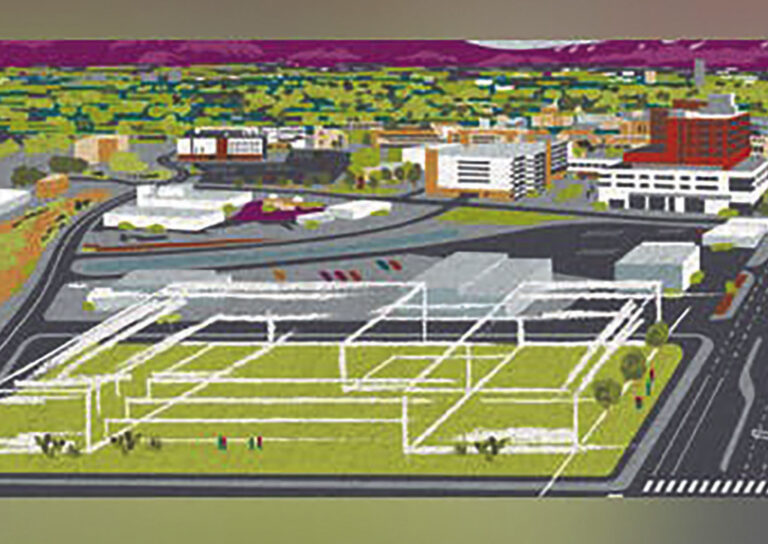
Proposed UNM School of Medicine Building Would Fill Gaps in State’s Health Care System
ALBUQUERQUE — The University of New Mexico hopes to continue its North Campus expansion with the construction of a new $600 million School of Medicine Senate Bill 6, which would provide the necessary funds to the University, was most recently given a “Do Pass” recommendation by the Senate Health and Public Affairs Committee at the time of publication.
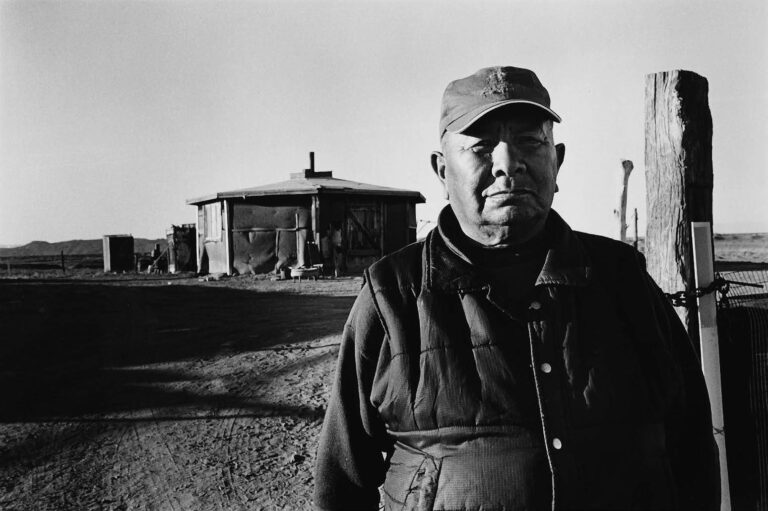
Coming in April: A Question of Power
For nearly half a century, North America’s largest Native American reservation relied on coal extraction and the burning of coal for jobs and economic vitality. Loved or hated, coal has been a mainstay for decades on the Navajo (Diné) Nation, even as it has polluted the air and scarred the land that the Diné hold sacred. Now, the coal era on the Navajo reservation is coming to an end. Opponents of the coal industry claim that the promised economic benefits were never realized, while the industry’s operations have caused damage to residents’ health and the environment. The coal-burning plants created a persistent haze and siphoned vast amounts of water desperately needed by residents. Furthermore, the electricity generated by burning coal travels hundreds of miles to cities such as Phoenix, Arizona; Las Vegas, Nevada; Los Angeles and San Diego, California; and Albuquerque, New Mexico. Meanwhile, one-third of Navajo homes are without power, and forty percent are without water.

Resolution Rejected for Second Time
A California-based company wanted to purchase city-owned property for its support tower
Councilor Calls City Assessment ‘Gossip Based’
Multiple Española City Councilors openly disagreed with the findings in a $20,000 organizational assessment of the city, presented at the Jan. 27 council meeting.
Governor Signs Bill on Vehicle Registration Hike
New Mexico motorists and truckers will pay higher fees and taxes on their vehicles under a law signed Thursday by Gov. Michelle Lujan Grisham.

Council Hopefuls Share Goals if Elected
The Española Municipal election is scheduled for March 3. The roles of mayor, one councilor from each of the four districts and the municipal judge are up for grabs.